Skip to content

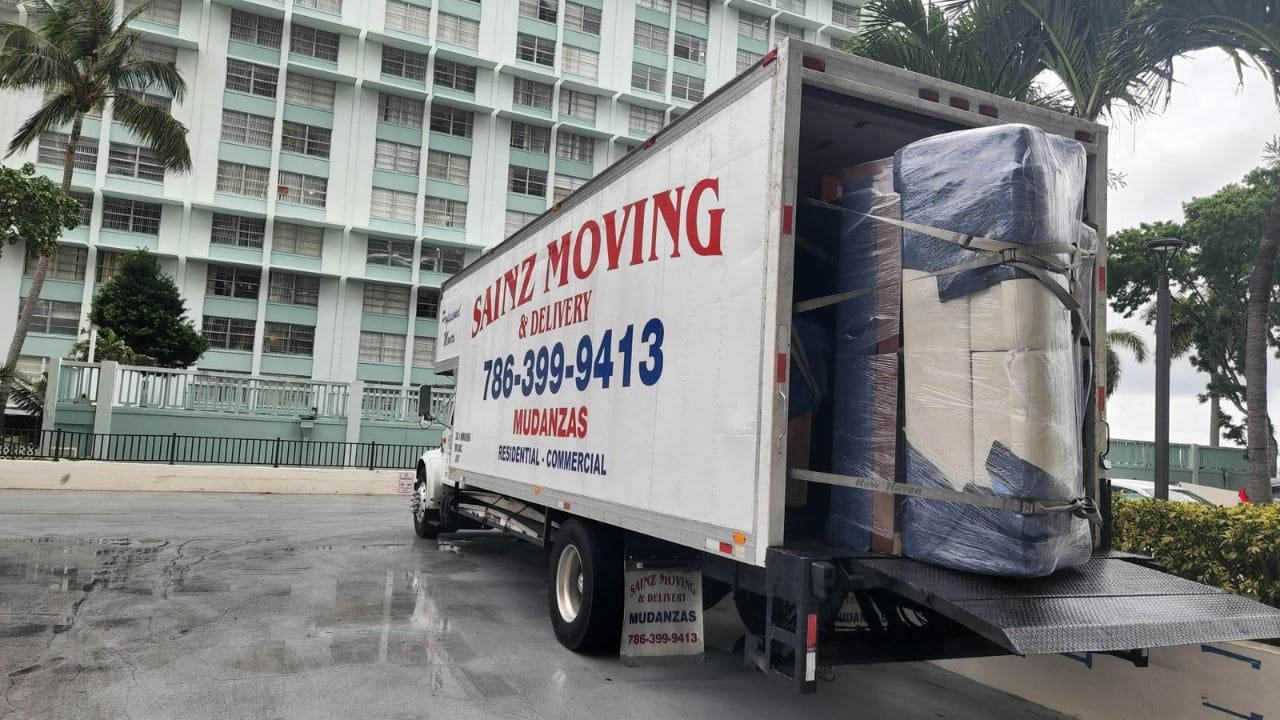
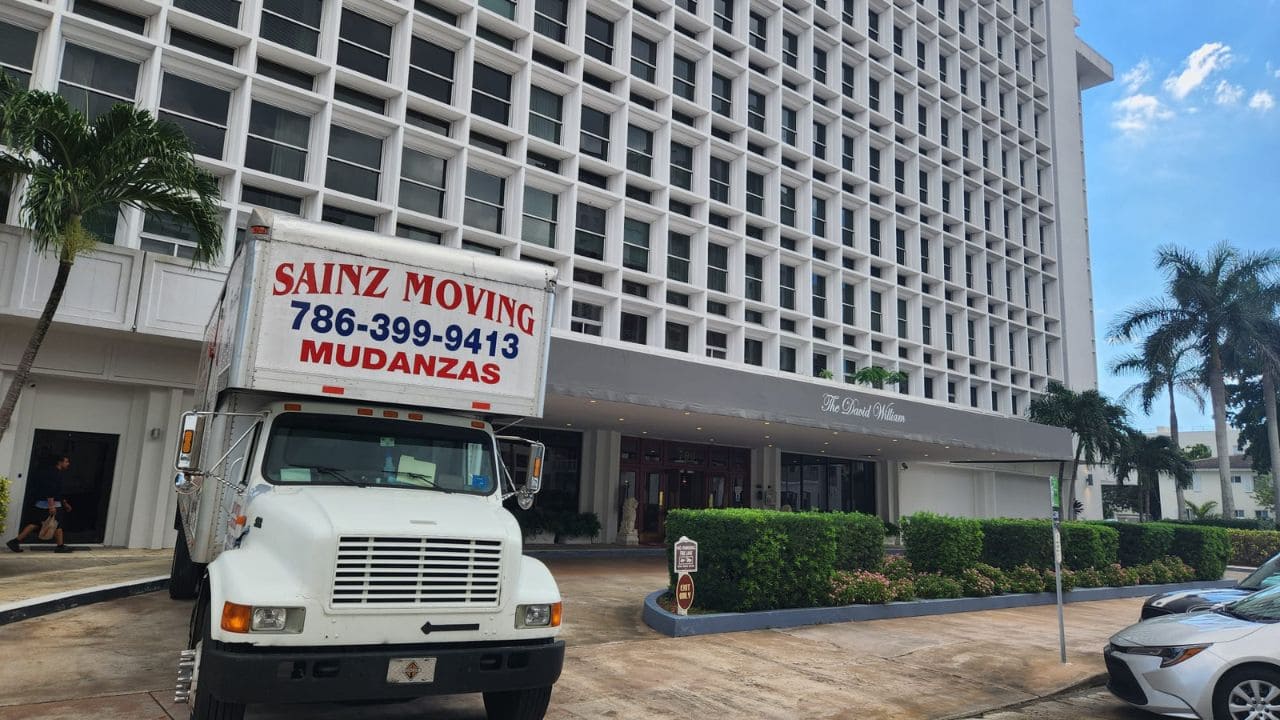
Quick answer: Moving apartments in Miami goes smoothly when you plan three things early: where the truck will park, how the crew gets from the truck to your door, and when the move happens. Ask both buildings about loading zones and moving hours, avoid peak traffic and end-of-month rushes, and keep a backup plan for rain.
When people think about moving apartments in Miami, they think about boxes and furniture. But on moving day, the details that slow things down are usually outside the apartment: a truck with nowhere to park, a long walk from the street to the elevator, or a building that only allows moves during a short window.
This practical guide covers parking, loading zones and timing, the three factors that shape most apartment moves in Miami.
Why parking and access matter so much
The time a move takes depends heavily on the distance between the truck and your door. A truck parked right at a loading dock next to the service elevator is very different from a truck parked half a block away, with stairs, a gate and a long hallway in between.
That is why access is one of the first things a mover asks about. The more you know about both addresses, the more accurate your quote and your timeline will be.
Parking: where will the truck go?
Ask both buildings first
Contact management at your current building and your new one. Ask:
- Is there a loading dock or a designated moving area?
- Can a moving truck enter the garage, and is there a height limit?
- How long can a truck stay in the loading area?
- Do residents need to reserve the space ahead of time?
- Are there areas where trucks are not allowed to park?
Write down the answers and the name of the person you spoke with.
Street parking
Many smaller apartment buildings and older complexes do not have a loading dock. In that case the truck will park on the street or in a lot. Check the street in front of the building at the time of day you plan to move. Look for:
- Parking restrictions, meters or tow-away signs
- Bike lanes, bus stops and fire hydrants where a truck cannot stop
- Narrow streets where a large truck may block traffic
If street parking is tight, ask the building or your local authority whether any arrangement is needed for a moving truck, and plan to have someone save space if it is allowed.
Gated communities
Garden-style complexes and gated communities often require the truck to be registered at the gate or the leasing office. Give the office your moving date and the mover’s name, and confirm the gate will let the truck through.
Loading zones: the path from truck to door
Once you know where the truck will park, walk the route from the truck to your unit.
Measure the route
- Doors, hallways and corners along the way
- The elevator interior and door, if there is one
- Stairs: how many flights and how wide
- Your unit’s front door and interior hallways
Large pieces like sectionals, dining tables and bed frames may need to be disassembled. Furniture disassembly and assembly solves most tight-fit problems.
Stairs versus elevator
Walk-up buildings mean every item is carried up or down by hand. That takes more time and more care, so mention the number of floors and the stairway width when you request a quote.
In buildings with elevators, reserve the service elevator if the building has one. Our guide to moving into a Miami high-rise covers elevator reservations, the certificate of insurance many buildings ask for, and how to protect common areas.
Timing: when to move
Building moving hours
Many apartment and condo buildings only allow moves on certain days and hours. Some do not allow moves on Sundays or holidays. Confirm the allowed window at both buildings and plan your move inside it, with some room to spare.
End of the month and weekends
Leases often start and end around the same dates, so the last days and first days of the month are the busiest for apartment moves. Elevators and loading docks fill up, and so do moving schedules. If your lease allows any flexibility, a mid-month or weekday move is often easier to schedule.
Traffic
Miami traffic can add real time to a move, especially when the truck has to cross busy corridors at rush hour. Dense areas like Brickell and downtown can be slow at almost any time of day. An early start usually helps, but check that your building allows moves at that hour.
Rain and heat
Afternoon rain is common in Miami, especially in the warmer months. Plan to load early when possible, keep plastic covers and moving blankets ready, and make sure boxes are taped well. Heat matters too: keep water on hand for everyone and protect items like candles, electronics and wood furniture from long exposure to the sun. Our guide to protecting furniture from Miami humidity has more tips.
Hurricane season
From June through November, a storm in the forecast can lead buildings to pause moves. Keep a backup date in mind and stay in touch with both buildings.
Getting your apartment ready
- Pack and label boxes by room.
- Disassemble what you can, or ask your mover to handle it.
- Keep documents, valuables and medications with you.
- Clear a path inside the unit.
- Have an essentials box ready for the first night.
Apartment moves with Moving Sainz
Moving Sainz helps people moving apartments in Miami plan around parking, loading zones and building rules. Our team handles packing, furniture disassembly and assembly, and careful loading and unloading. When you call, share the details of both buildings so they become part of the plan. Learn more about our apartment movers in Miami.
Frequently Asked Questions
Do I need to reserve a loading zone for an apartment move?
Many buildings ask residents to reserve the loading dock or service elevator. Call management at both buildings as soon as you have a date and ask how their reservations work.
What if there is no parking near my building?
Check the street at the time you plan to move and ask the building or your local authority whether any arrangement is needed. Share the details with your mover so the timeline reflects the distance.
Is it better to move on a weekday or a weekend?
Weekdays are often easier because elevators, loading docks and schedules are less crowded. Check that your building allows moves on the day you choose.
How do stairs affect an apartment move?
Stairs mean everything is carried by hand, which takes more time and care. Mention the number of floors and the stairway width when you request a quote.
What time of day is best to move in Miami?
An early start often helps avoid the heaviest traffic and afternoon rain. Confirm the building’s allowed moving hours before you set the time.
Get a free quote
Planning on moving apartments in Miami? Call Moving Sainz at (786) 399-9413 or request your free quote and tell us about parking and access at both buildings, so we can plan the move around them.